28 July 2026 · Niran Chaiyaporn
Keep one timeframe pair in the plan
Daily with the one-hour, or the four-hour with the fifteen-minute. A third timeframe has to earn a retirement of one of those, not a new page.
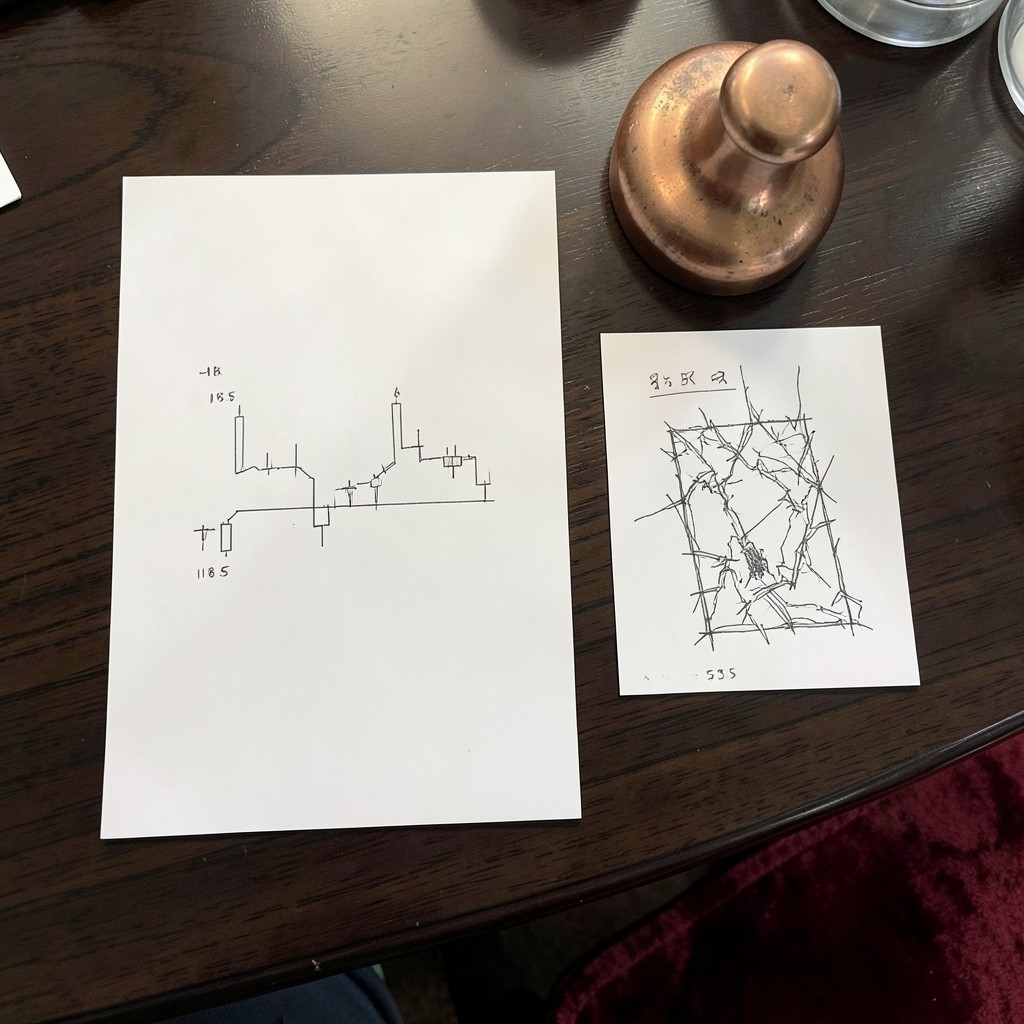
A plan that names four timeframes is a plan that will be abandoned on a weekday. Someone has to watch them. In this room the someone has a job, a commute on Rama IV, and about ninety minutes after dinner. The plan has to fit that evening or it is fiction.
We allow one pair. The higher timeframe is the map. The lower timeframe is where an order, if it happens, would be timed. Nothing in the middle gets a vote, and nothing faster than the lower timeframe gets a mark on the page.
Two pairs cover almost everyone who sits the studio. Daily map with a one-hour timing chart, for people who can check once in the evening and once the next morning. Four-hour map with a fifteen-minute timing chart, for people who can sit with the page during a defined session and then close it. Both pairs are respectable. Using both pairs in one plan is not. That is four timeframes wearing a smaller name.
Choose by the hours you can actually be present, not by the market’s reputation. Gold can be planned on the daily even if other traders talk about the open of another city. If you will not be awake for that open, it does not belong in your invalidation sentence. Write the Bangkok hours you keep, then pick the pair that those hours can serve.
A third timeframe arrives disguised as a question. “Can I just check the weekly?” You can check it when you revise the plan, once a month, as a background note. It does not get setups of its own. The moment a weekly idea can cancel a daily setup without being written into the plan, you no longer have a plan. You have a conversation with yourself that changes every Sunday.
The practical test we use on evening one is simple. Describe yesterday’s chart work in four sentences without naming a timeframe you did not write down. If you cannot, the extra timeframe is already running your decisions. Either promote it and retire another, or erase it from the week’s work.
Students who keep the pair for three months usually find the lower timeframe getting quieter, not more important. That is the point. The lower chart is a narrow permission, used only when the map already agrees. If you are starting your evening on the lower chart, the pair is upside down, and the plan should say so in the first paragraph before any setup is added.